

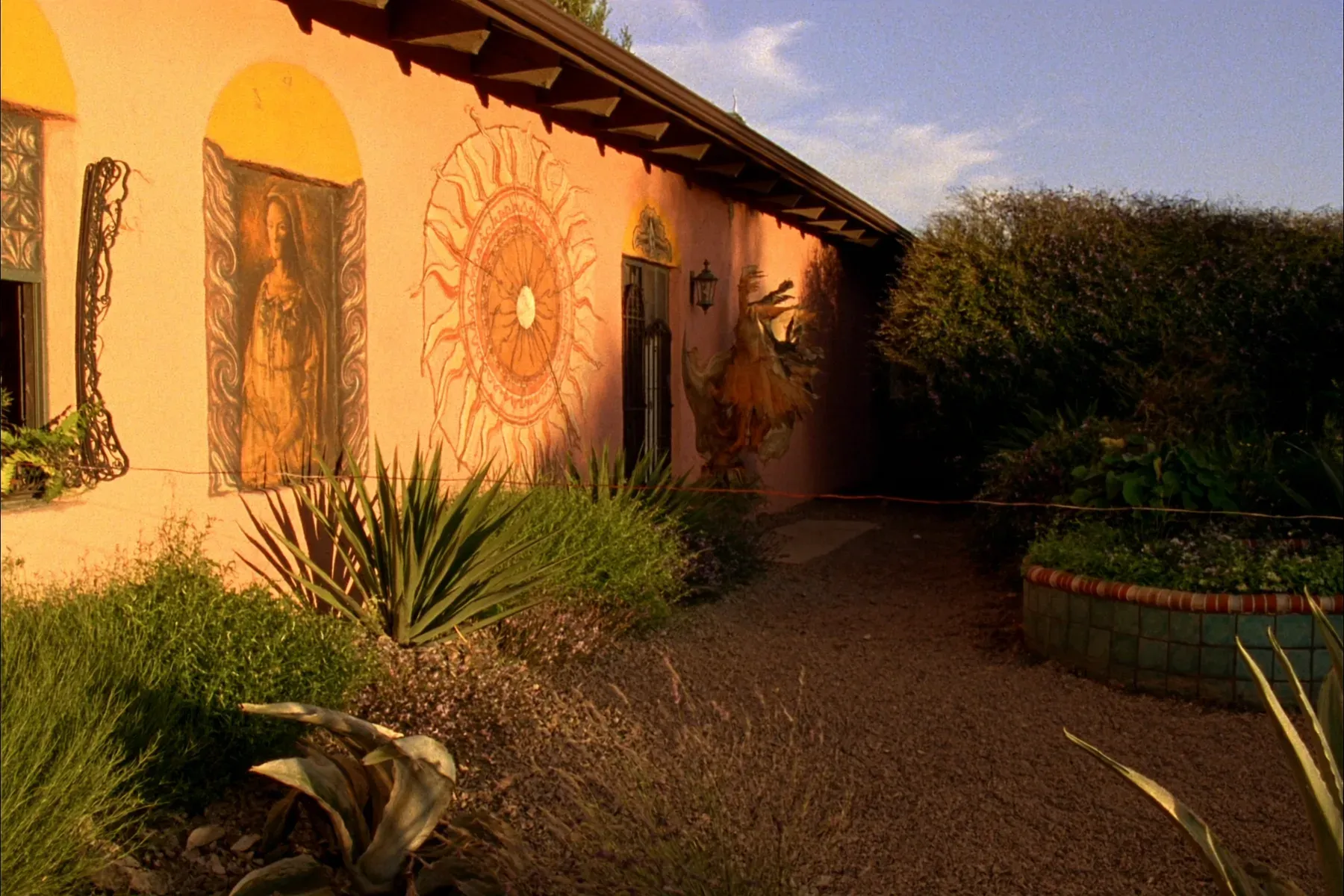
For drought-tolerant planting in Los Angeles County, choose plants suited to your microclimate, improve the soil, mulch well, and water deeply but rarely with drip irrigation. Fall is the best planting season, because winter rain helps roots establish before the dry months.
A water-wise garden is not a bare yard. With good design, it can be lush, colorful and lower maintenance.
Why fall is the time to plant in Southern California
Cooler temperatures and the chance of rain make October through early winter the ideal planting window. Roots grow while the top growth rests, so plants are ready for summer heat. Planting in midsummer demands much more water to survive. If you do plant in warm weather, schedule extra care and shade protection.
Know your site before choosing plants
Los Angeles County spans coastal, valley, foothill and inland zones with very different conditions. Fog-cooled beach communities, hot valleys and hillside lots all call for different palettes. Evaluate:
- Sun and heat exposure, including reflected heat from walls and paving
- Soil type: heavy clay, sandy or rocky
- Slope and drainage
- Wind and salt exposure near the coast
- Fire risk in hillside and wildland-adjacent areas, where defensible space guidance affects plant spacing and choice
Plants that perform in dry climates
Many regionally appropriate choices thrive with limited water once established:
- California natives: sages, manzanita, ceanothus, California buckwheat, toyon, and native bunchgrasses
- Mediterranean-climate plants: lavender, rosemary, rockrose and olive
- Succulents and agaves: for sunny, well-drained spots
- Ornamental grasses: for movement and texture
Check each plant’s needs. Some drought-tolerant plants dislike summer irrigation, particularly some natives, while others tolerate occasional water. Group plants with similar water needs together, a practice called hydrozoning.
Prepare the soil
Most dry-climate plants prefer good drainage. Loosen compacted soil, and avoid heavy amendment of the planting hole with rich compost for plants that like lean soil. For clay, mix in coarse organic matter over a wide area rather than just the hole. Create gentle berms or swales to capture rain and slow runoff, particularly on slopes.
Planting steps
- Dig the hole twice as wide as the root ball and no deeper.
- Set the plant so the top of the root ball sits at or slightly above grade.
- Backfill with native soil, firming gently.
- Build a shallow basin to hold water.
- Water thoroughly.
- Mulch two to three inches deep, keeping it back from stems. See our post on mulch mistakes that hurt trees and shrubs.
Mulch and irrigation
Mulch reduces evaporation, cools soil and suppresses weeds. Use organic mulch such as wood chips in most beds, and decomposed granite or gravel in desert-style plantings where appropriate.
Efficient irrigation is the difference between a thriving garden and a wasteful one. Drip irrigation and low-flow emitters deliver water at the roots with little loss to wind or evaporation. Replace spray heads with efficient nozzles where lawn remains, use a smart controller that adjusts to weather, and water deeply and infrequently to encourage deep roots. Newly planted material needs more frequent watering until established, usually the first year or two.
Watering rules and rebates in general terms
Water agencies in Southern California have set rules in recent drought periods, such as limits on irrigation days and times, bans on runoff, and restrictions on watering after rain. Rules differ by water supplier and change with conditions. Many agencies also offer rebates for turf replacement, efficient irrigation and smart controllers. Check with your local water provider for current rules and programs before you plan.
Replacing a lawn
Removing turf can cut outdoor water use significantly. Options include replacing it with planted beds, permeable paving, or a smaller, better-placed lawn area. Our landscape design service can plan layout, plant palette and irrigation together. Ongoing care is covered by our grounds and garden care service. Hardscape elements, such as permeable patios and dry streambeds, come under our hardscape and masonry service.
Frequently asked questions
Does drought-tolerant mean no water?
No. Most plants need regular water for the first year or two to establish roots. After that, they need far less than lawn or thirsty ornamentals.
Are drought-tolerant gardens a fire risk?
It depends on plant choice, spacing and maintenance. In fire-prone areas, follow local defensible space guidance, keep plants pruned and clear dead material.
When should I plant?
Fall is ideal in most of Los Angeles County. Late winter and early spring are the next best.
To plan a water-wise landscape, you can request a consultation.