

In Massachusetts, the best window to aerate and overseed is late August through late September, with early October still workable. Cool-season grasses such as Kentucky bluegrass, fine fescue and perennial ryegrass germinate quickly in warm soil and cool air, and have time to establish before winter.
Spring is a second-best option, but weeds compete harder and summer heat arrives before young grass is ready. If you have to choose, choose fall.
Why fall is the right time to aerate and overseed
Cool-season turf grows most vigorously in early fall. Soil still holds summer warmth, which speeds germination, while cooler air reduces stress on seedlings. Weed pressure is lower than in spring, and rainfall tends to be more reliable. Seed applied now has weeks of growth before dormancy.
Mid-October seeding can still work on the North Shore, but germination slows as soil cools, and seedlings that have not matured by hard frost may not survive. The earlier in the window, the better the odds.
What core aeration does
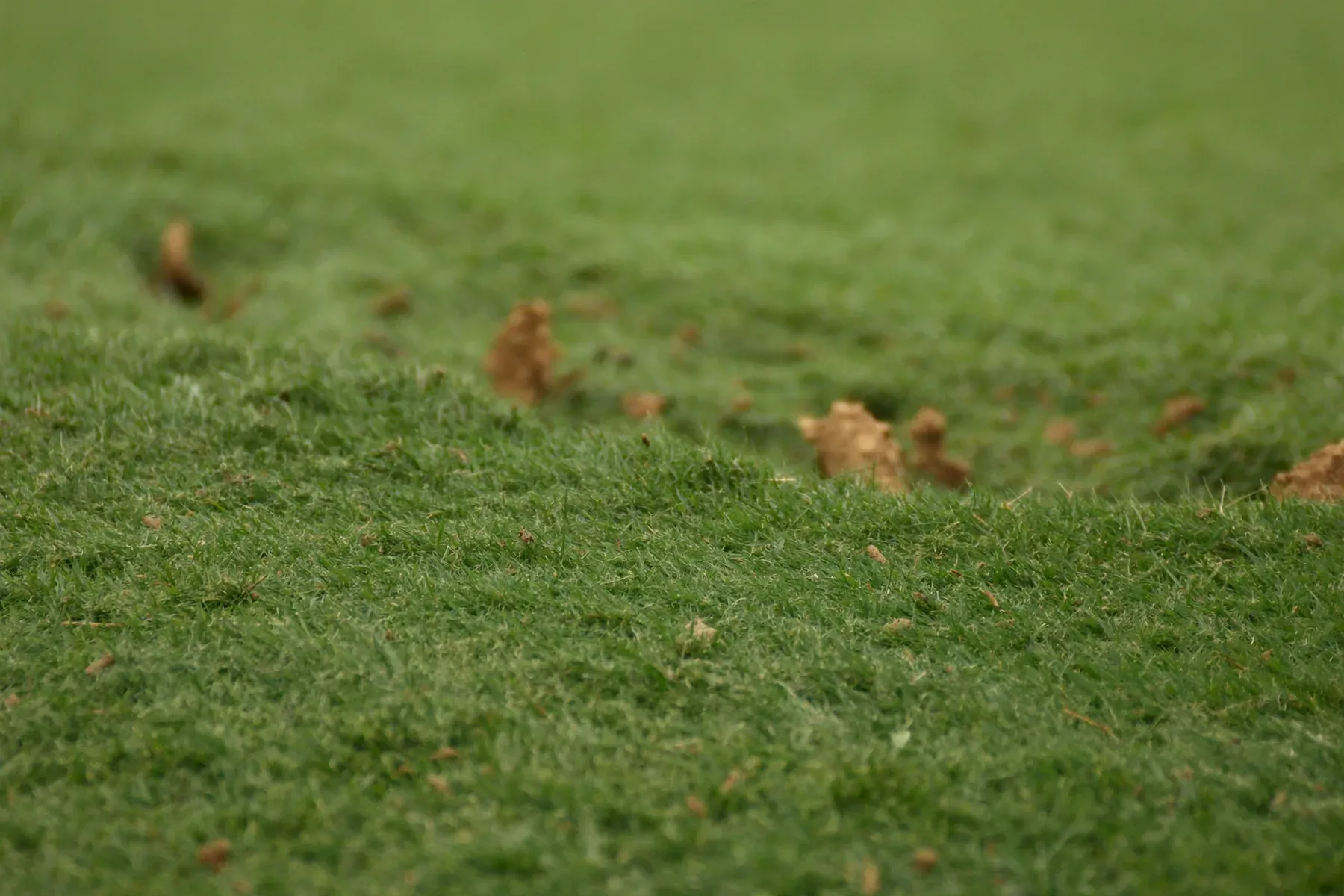
Core aeration pulls small plugs of soil out of the lawn. This relieves compaction, lets water, air and nutrients reach roots, and helps break down thatch. It also creates ideal seed-to-soil contact when you overseed right afterward.
Aerate when the lawn is actively growing and the soil is moist but not saturated. Dry, hard soil resists the tines, and soggy soil smears.
Does your lawn need it?
Signs include:
- Water pooling or running off instead of soaking in
- Thin, patchy turf, especially in high-traffic areas
- Soil so firm a screwdriver is hard to push in
- Thatch thicker than about half an inch
- Heavy clay soil, which compacts easily
Many lawns benefit from aeration every year or two. Newly built properties and clay soils often need it more often.
Overseeding steps
- Mow low. Cut the grass shorter than normal and bag the clippings.
- Aerate. Make at least two passes in different directions on compacted areas.
- Spread seed. Use a quality blend suited to your site: sun, shade or mixed. Check that the bag lists a recent test date and low weed seed content.
- Apply a starter fertilizer. It is higher in phosphorus, but check local rules and use soil test results before adding phosphorus.
- Topdress if needed. A thin layer of compost helps in thin areas.
- Water lightly and often. Keep the seedbed consistently moist, not soaked, until seedlings emerge.
Choosing the right seed
Kentucky bluegrass repairs itself and looks dense, but is slower to germinate. Perennial ryegrass sprouts fast. Fine fescues tolerate shade and lower fertility. Most blends combine them. Match the mix to light and use, and avoid the cheapest bags, which often contain filler and weed seed.
Aftercare: the first six weeks
Water once or twice daily in short cycles for the first two weeks, then taper to deeper, less frequent watering as roots take hold. Do not apply crabgrass pre-emergent or weed-and-feed products on seeded areas, because many will prevent germination. Mow when the new grass reaches about three to four inches, with a sharp blade, and take off no more than a third of the height. Keep foot traffic light until seedlings are established.
Soil, drainage and thatch
Seed will struggle if the soil is the problem. A soil test shows pH and nutrient levels, and many New England soils are acidic and benefit from lime. If a section always stays wet, grading or drainage may need correcting before seed will help. Our landscape design service can address grading and planting layout, and our grounds and garden care service covers ongoing turf programs.
Spring versus fall seeding
If you must seed in spring, aim for as soon as the soil is workable, typically April. Expect to water more, expect crabgrass to compete, and expect the new turf to face summer stress sooner. Skip pre-emergent on those areas. Prepare the rest of your spring work using our spring cleanup checklist.
Frequently asked questions
Should I aerate and overseed on the same day?
Yes, in most cases. The holes and loosened soil from aeration give seed good contact with soil, which improves germination.
How long until new grass shows up?
Perennial ryegrass can sprout within one to two weeks, fescues in about two weeks, and Kentucky bluegrass can take three weeks or more.
Can I aerate a wet lawn?
Not when it is saturated. Wait until the soil is moist but firm enough that the machine pulls clean plugs.
If you would like a professional assessment of your turf, you can request a consultation.