

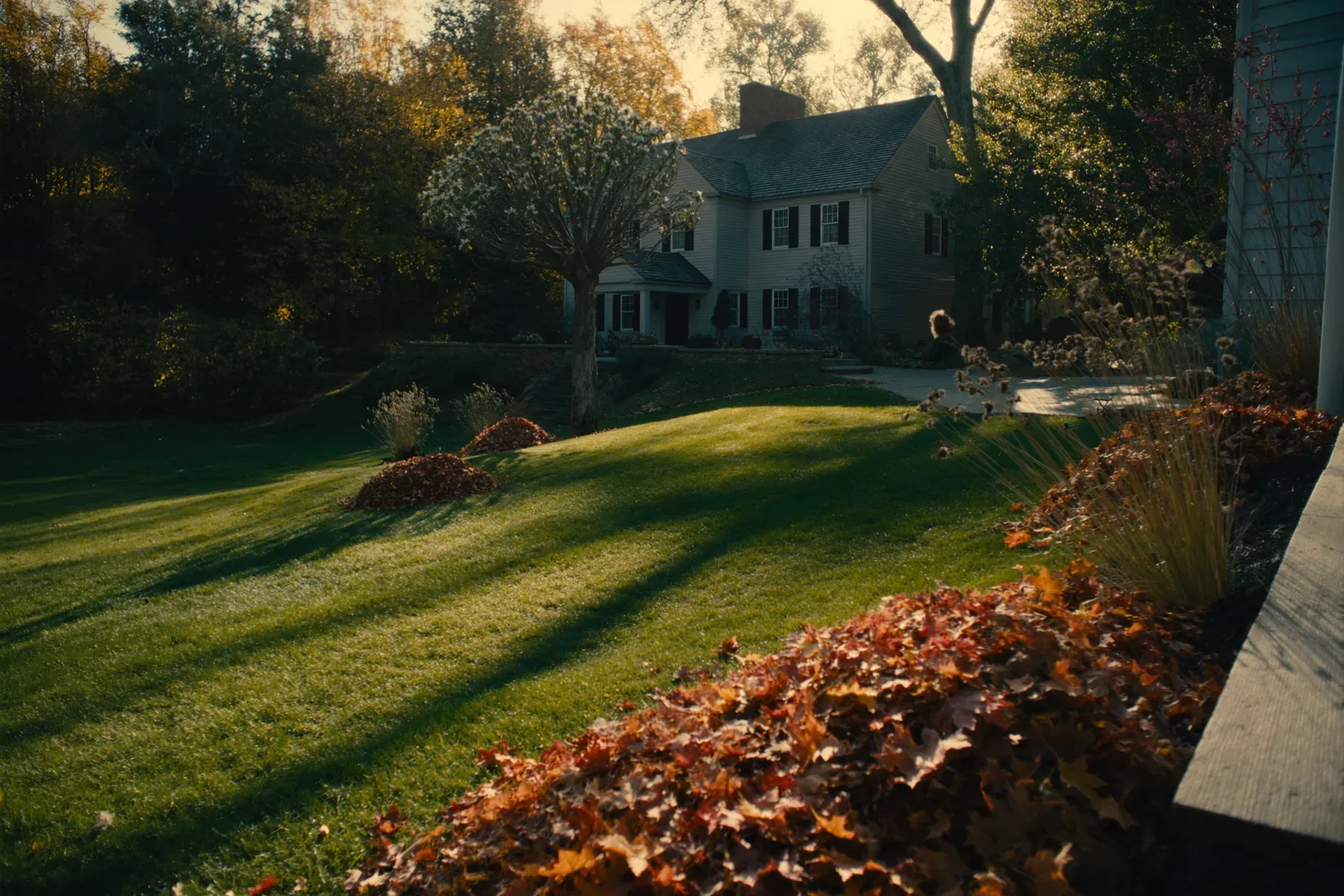
The best time for a fall cleanup in New England is after most leaves have dropped and before the ground freezes hard, which usually means late October through mid-November. The goal is to protect the lawn from smothering, shut down irrigation, and leave beds and plants ready for winter.
Do this work before the first hard frost where you can, and finish before snow arrives. Tasks left until spring are harder, because frozen or snow-matted debris damages plants underneath.
Why fall cleanup matters before the first frost
Wet leaves left on turf block light and air, encourage snow mold and can kill grass over winter. Standing debris in beds shelters slugs, voles and fungal disease. Irrigation lines that hold water can crack when it freezes. None of these problems show up until spring, which is why a thorough fall pass pays off.
First frost dates vary across Essex County, with coastal areas generally later than inland. Watch the forecast for overnight lows near freezing, and treat that as your deadline for the time-sensitive jobs.
Fall cleanup checklist
- Remove leaves from lawns. Mulch light layers with the mower; rake or blow heavier layers.
- Clear leaves from beds selectively. Keep a thin layer of shredded leaves as free mulch; remove thick mats.
- Cut back diseased or spent foliage. Discard mildewed or blighted material rather than composting it.
- Final mowing. Lower the height gradually to about two and a half inches for the last cuts, which reduces matting and mold.
- Blow out and shut down irrigation. Drain lines, backflow preventers and hose bibs.
- Clean gutters and downspouts. Ice dams and overflow often start with clogged gutters.
- Protect vulnerable plants. Wrap or screen young trees and evergreens exposed to wind and salt.
- Store and service equipment. Drain fuel or add stabilizer, sharpen mower blades and set up snow tools.
- Mark the edges. Place stakes along driveways and beds so plow crews know where they are. Our snow removal planning post covers this in detail.
Leaf removal: mulch, rake or blow
For a lawn with a modest leaf load, mowing over leaves chops them into pieces that break down and feed the soil. If leaves are deep enough to hide the grass after mowing, remove them. Pile them in a compost area, or use them as a thin layer in perennial beds. Keep leaves out of storm drains and off the street, where they clog drainage.
Cutting back perennials and shrubs
Cut back soft perennials that turn to mush, but leave seed heads and stems on plants such as coneflower and sedum if you like winter interest and bird food. Avoid heavy shrub pruning in fall. A late cut stimulates tender growth that frost will damage. Remove only dead or hazardous branches now.
Lawn care in fall
Fall is the most productive season for cool-season turf. If you have not yet aerated and overseeded, do it early in the fall window rather than late. A late-season feeding with a slow-release fertilizer helps roots store energy. See our guide on aerating and overseeding a Massachusetts lawn for specifics.
Trees, mulch and planting
Fall is a good time to plant trees and shrubs, because cool air and warm soil encourage root growth. Water new plantings deeply until the ground freezes. Refresh mulch to two to three inches deep, pulled back from the trunks. Look up while you are out there: dead limbs over roofs, driveways and walkways are best dealt with before snow adds weight. Our tree care and removal services can assess anything you are unsure about.
Hardscape and exteriors
Clear leaves and debris from patios, walkways and steps so moisture does not freeze on the surface. Check joints and edges, and note any loose stones to reset in spring. Bring in or cover outdoor furniture, planters and ceramic pots. If you have a deck, sweep it and clear gaps between boards, which hold moisture and rot wood.
Frequently asked questions
When should I do my fall cleanup in Massachusetts?
Most properties are best served from late October to mid-November, once most leaves are down and before the ground freezes. Do the irrigation shutdown before a hard freeze.
Should I cut everything back in fall?
No. Remove diseased and collapsed material, but leaving some sturdy stems and seed heads helps wildlife and protects crowns. Wait on major shrub pruning until late winter or spring.
Is it okay to leave leaves on the lawn?
A light scattering mulched into the turf is fine. A thick mat is not. It blocks light and invites snow mold.
For properties large enough that cleanup becomes a multi-day job, our seasonal cleanup and snow services take it off your list, and you can request a consultation to plan your fall visit.